








BCLS provides various programs such as conversational, listening, reading, writing and comprehensive course,etc., in group or private class, each student can always find a best way to meet their special needs and make study most effective. |

















At the very heart of Beijing sits Tian'anmen Square, the largest urban square in the world. This vast space, measuring 40 hectares, has a historical significance to rival its size.
|
 1 Tian'anmen Square
 The Palace Museum, historically and artistically one of the most comprehensive Chinese museums, was established on the foundation of the palace that was the ritual center of two dynasties, the Ming and the Qing, and their collections of treasures. Designated by the State Council as one of China's foremost-protected monuments in 1961, the Palace Museum was also made a UNESCO World Heritage site in 1987.

3 The Summer Palace Situated in the western outskirts of Haidian District, the Summer Palace is 15 kilometers (9.3 miles) from central Beijing. Having the largest royal park and being well preserved, it was designated, in 1960 by the State Council, as a Key Cultural Relics Protection Site of China. Containing examples of the ancient arts, it also has graceful landscapes and magnificent constructions. The Summer Palace is the archetypal Chinese garden, and is ranked amongst the most noted and classical gardens of the world. In 1998, UNESCO listed it as a World Heritage Site.
UNESCO enlisted the Great Wall of China, one of the great wonders of the world, as a World Heritage Site in 1987. Like a gigantic dragon, the Great Wall winds up and down across deserts, grasslands, mountains and plateaus stretching approximately 6,700 kilometers (4,163 miles) across China from east to west. With a history of more than 2,000 years, some sections of the Great Wall now lie in ruins or have disappeared entirely. Despite this, the wall remains one of the most appealing attractions across the world, thanks to its architectural grandeur and historical significance.
The Temple of Heaven was completed in 1420 and was originally a platform for the Son of Heaven (the emperor) to perform sacrifices and solemn rites. Among the gods worshiped were the god of earth, the god of water, the god of agriculture (who has his own hall in the Hall of Prayer for Good Harvests), the god of the military, the god of religion and the god of civilians. Offering sacrifices was a serious task, as was atoning the sins of the people. The entire empire relied on the emperor for good fortune and abundant harvests so he had quite a responsibility! The Temple was opened to the public in 1912 and commoners, who had previously been banned from even watching the bizarre procession pass through the city to Tiantan, were now permitted to visit the Temple themselves.
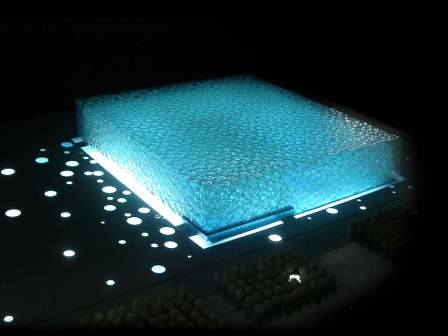
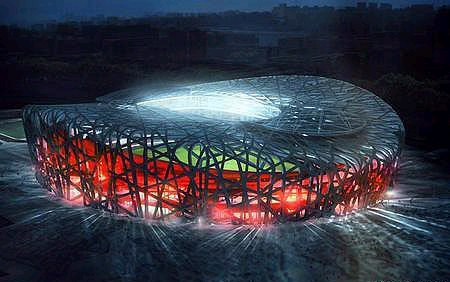
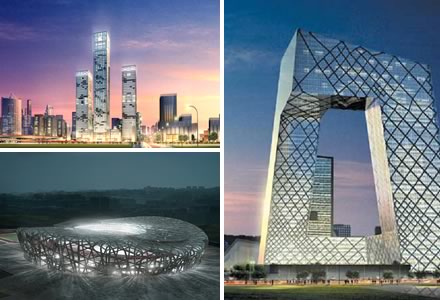
9.Olympic Stadiums 奥运场馆
|
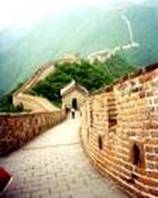 4 The Great Wall
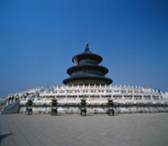 5 The Temple of Heaven
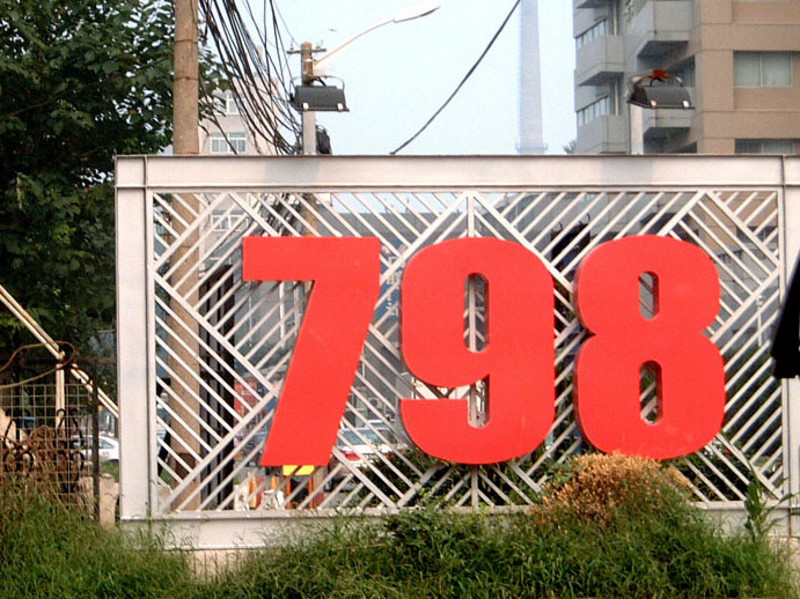 7. 798 Art Zone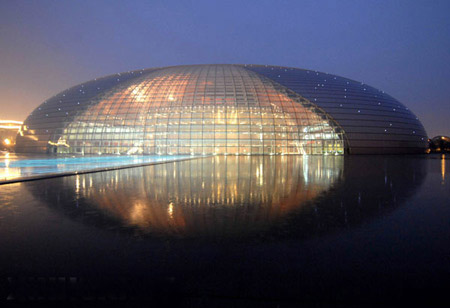
Xi’an Shanghai |


|
Description:
|
Contact:
|
 |










Add:Room 308,Building A,Wealth Garden, No.19 Xiao ying Street, Chaoyang District, Beijing, P.R.China Tel: 010-58650016 PC:100101 Fax: 010-58650237 E-mail:info@bjchineseschool.com |
© 2015 Beijing Chinese School .
All rights reserved 京ICP备05079501号 |

